
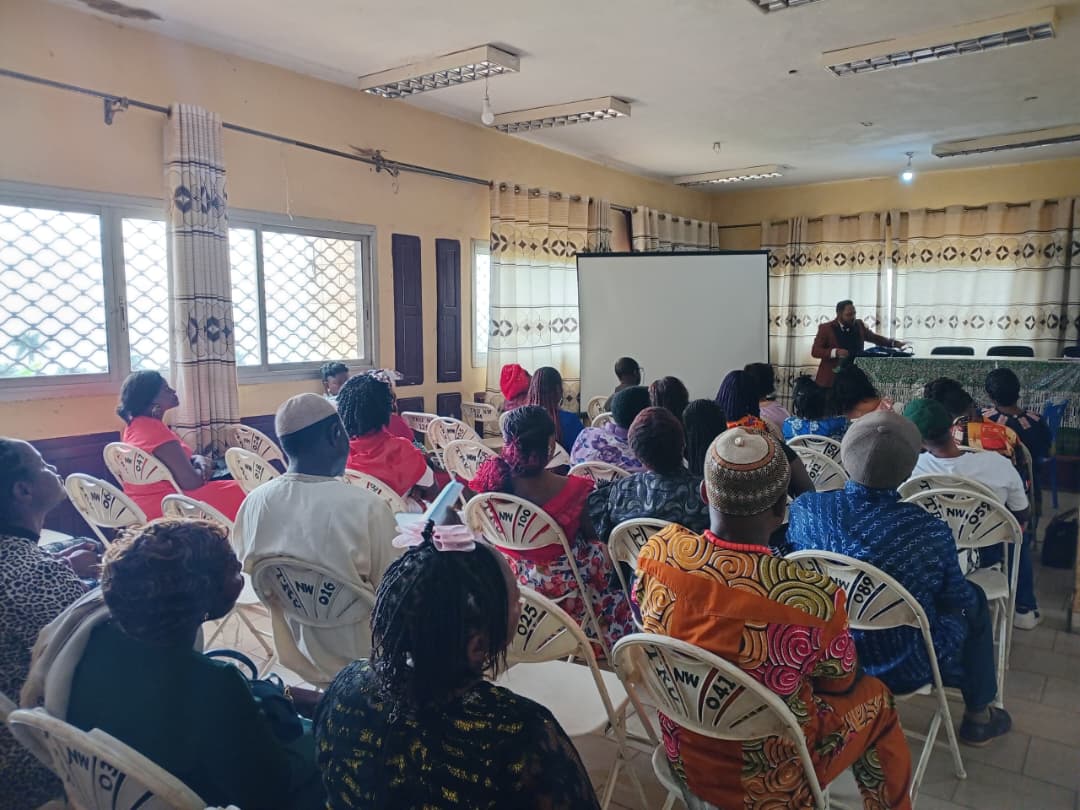
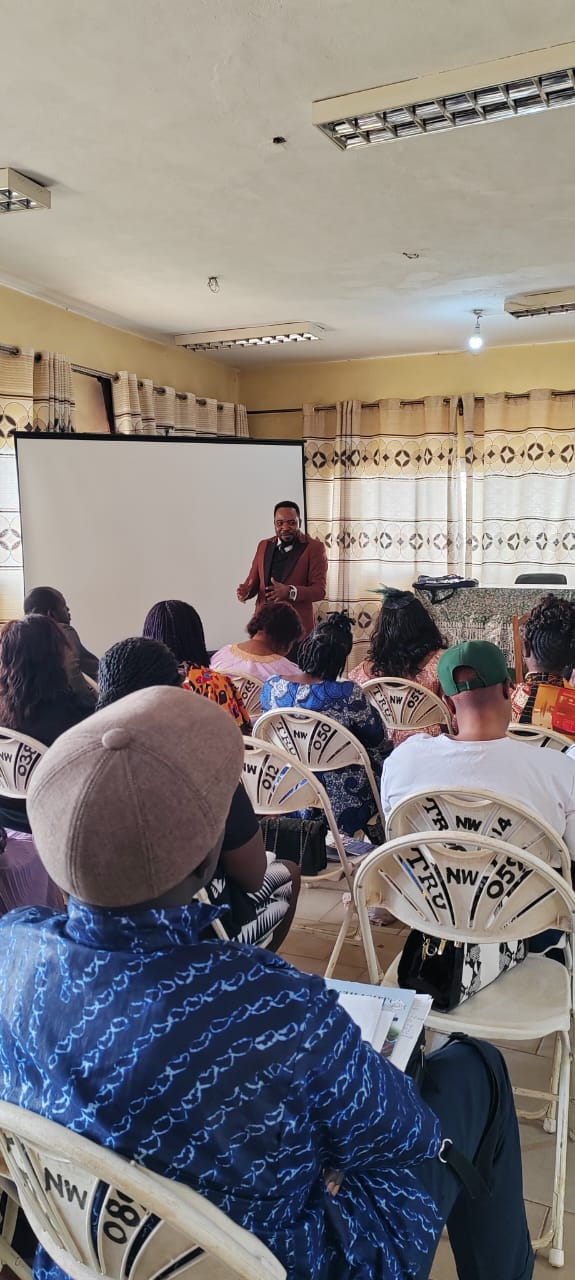
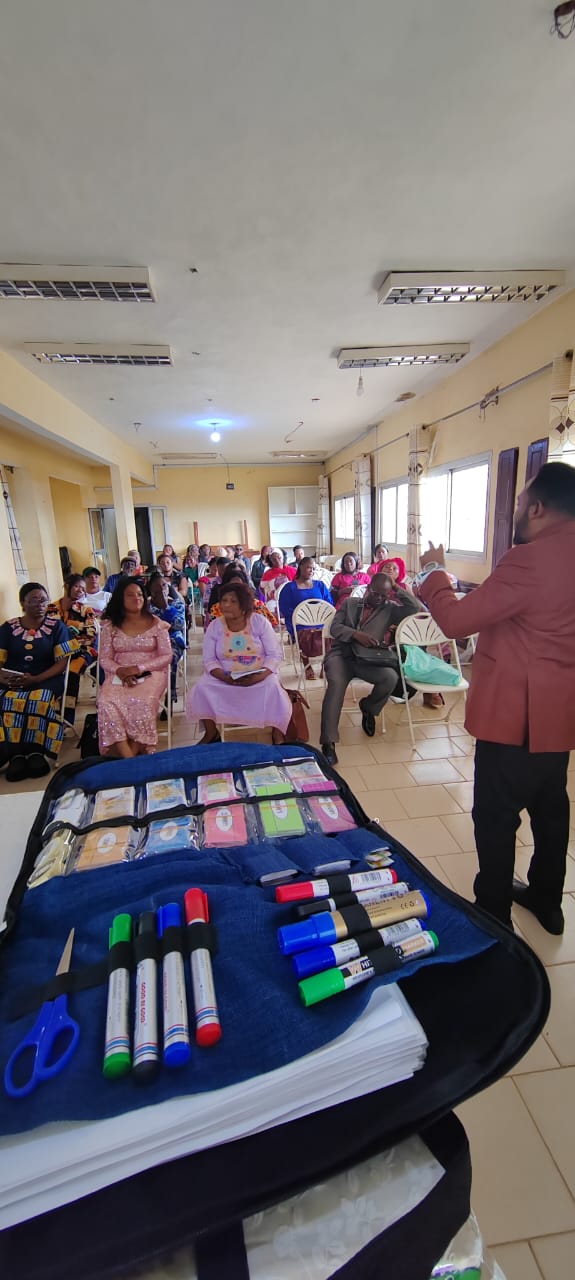
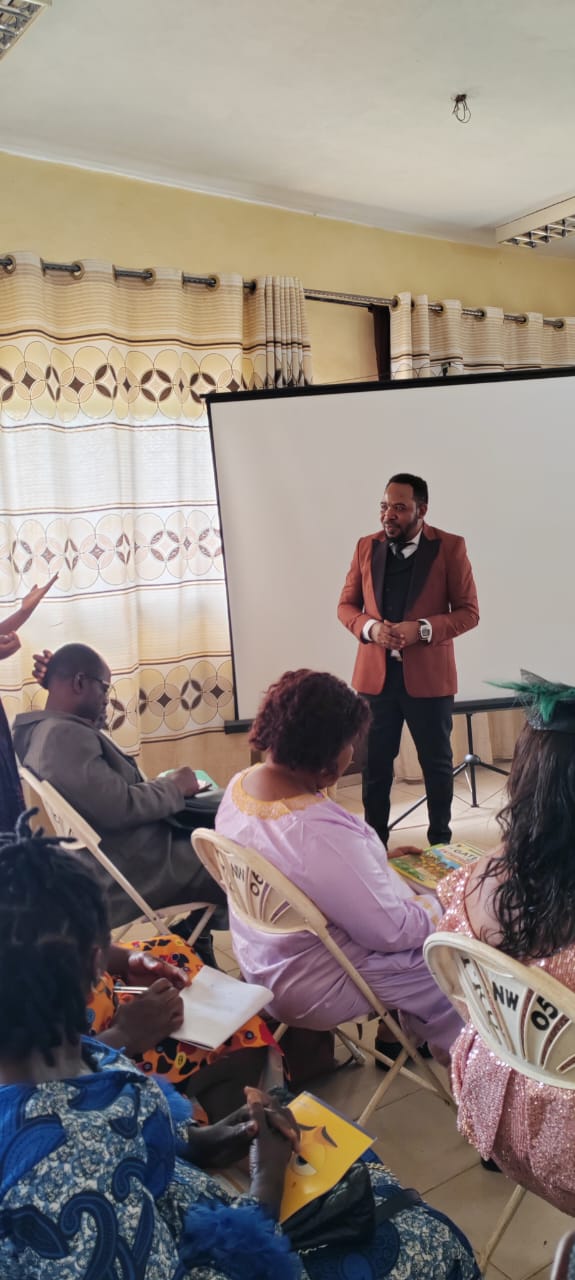

WHAT THE TRAINING COVERS
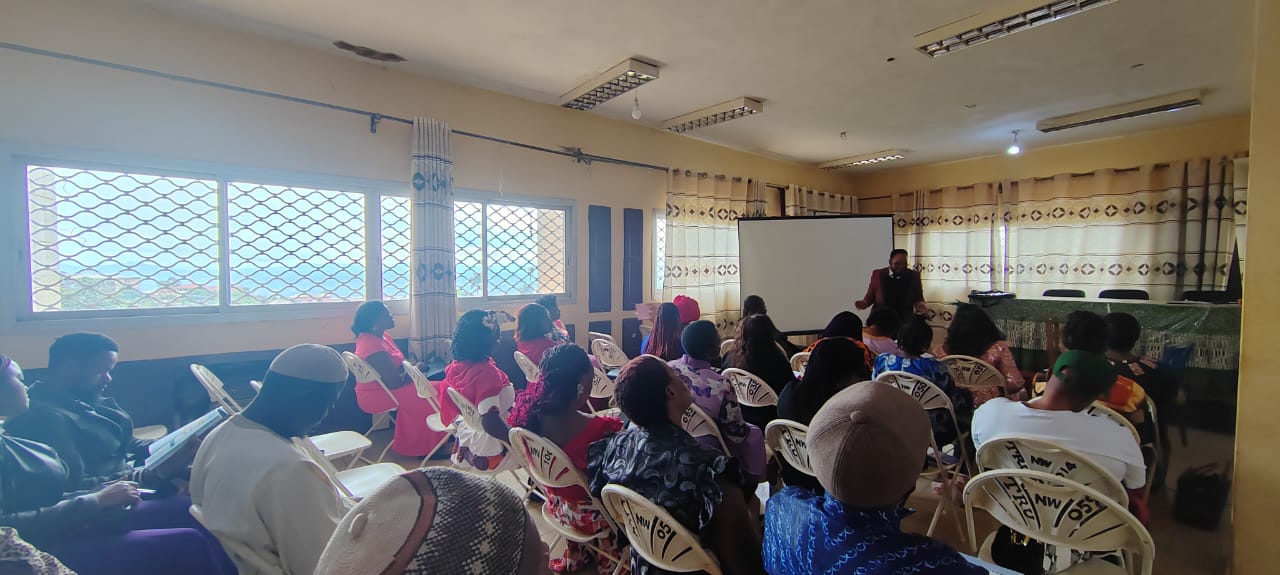
Our GEP teacher training program equips educators with:
✓ Complete understanding of the GEP curriculum framework and four progressive learning levels
✓ Practical teaching methodologies and classroom engagement techniques
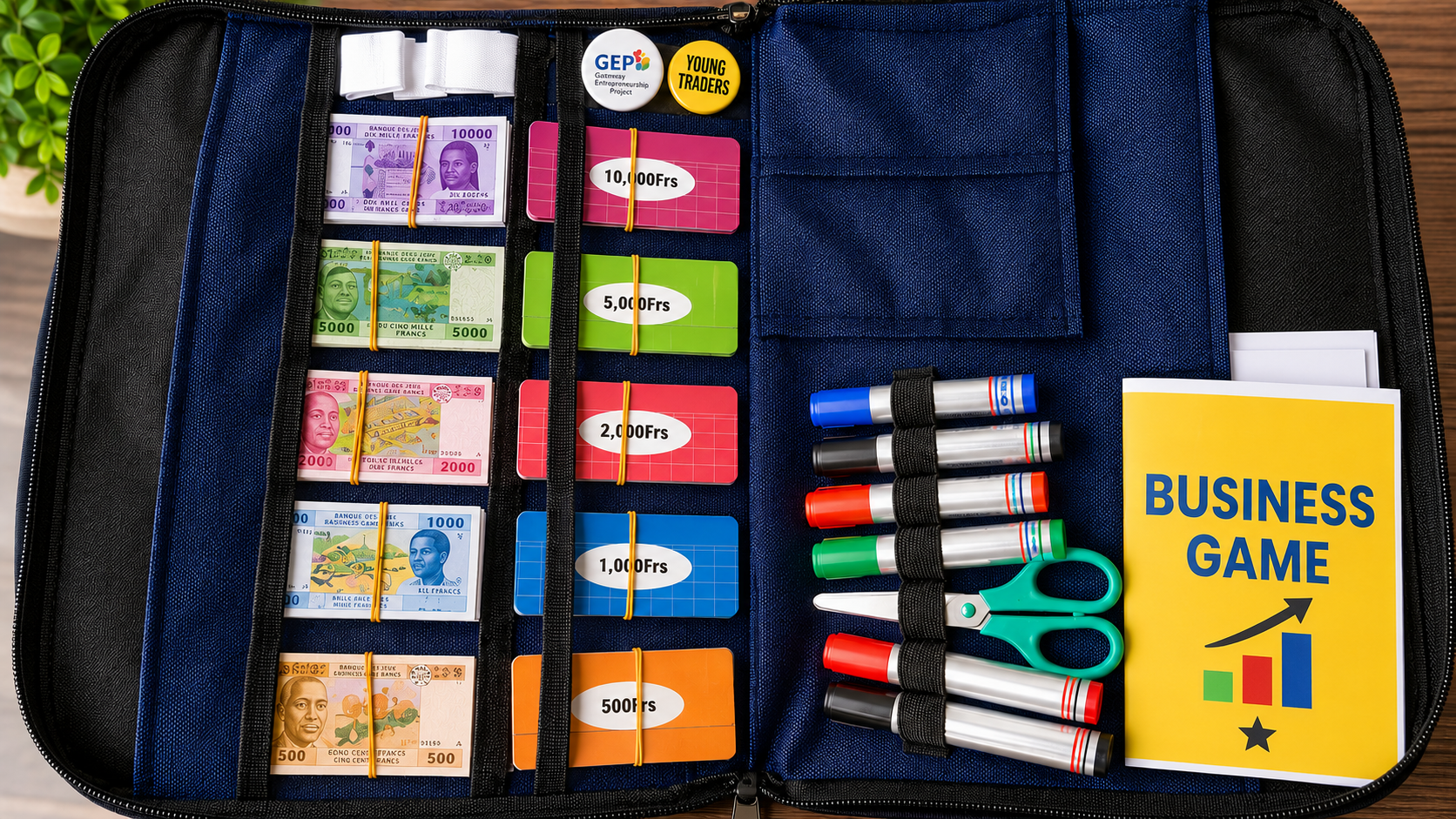
✓ How to facilitate business simulations and role-playing activities
✓ Organization and management of Mini Market Fairs
✓ Financial literacy teaching strategies
✓ Student assessment and progress tracking
✓ Creating an entrepreneurial classroom culture
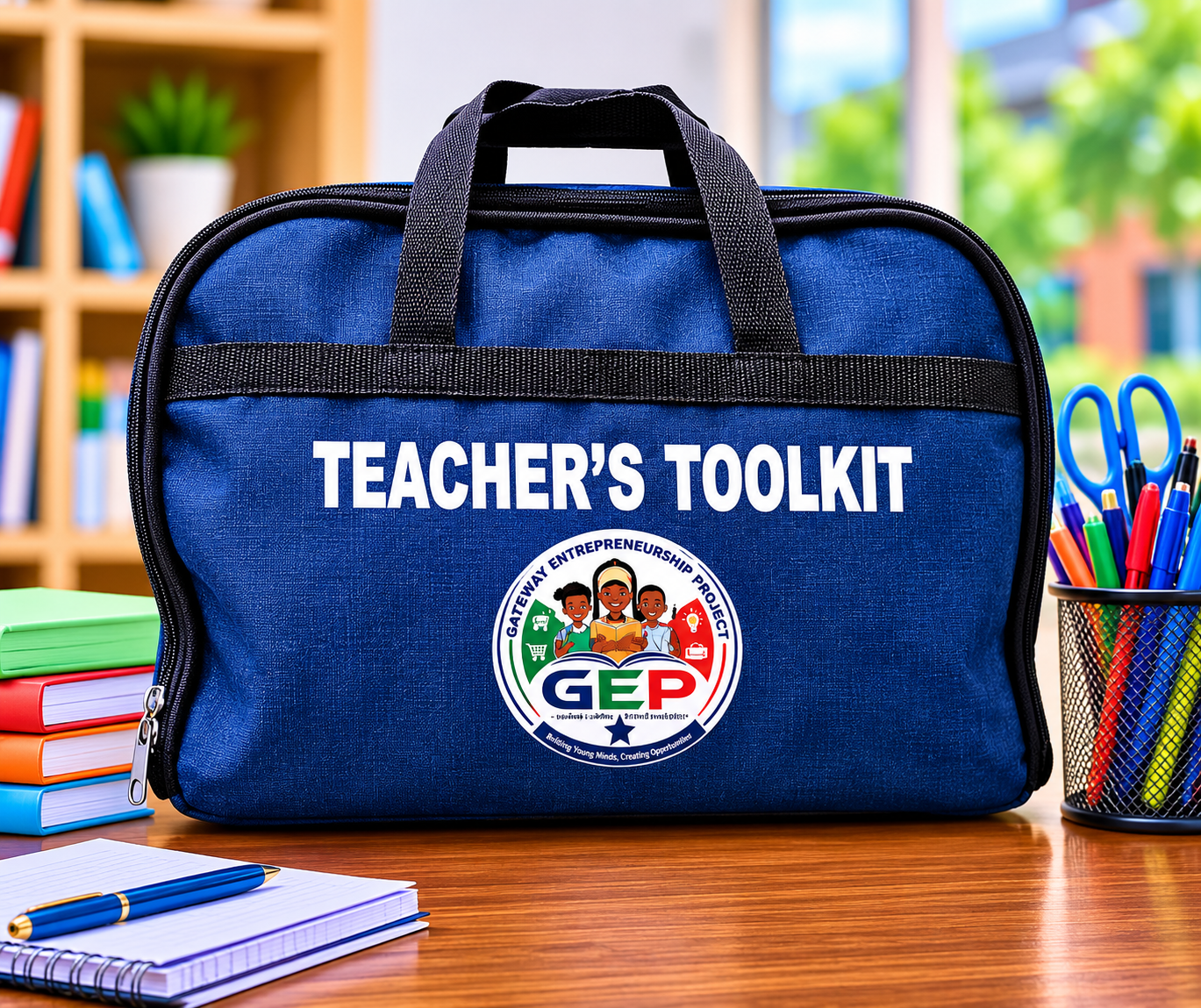
Teachers receive comprehensive training materials, lesson guides, and ongoing support from CABEP’s master trainers to ensure consistent, high-quality implementation.
THE COMMITMENT OF OUR EDUCATORS
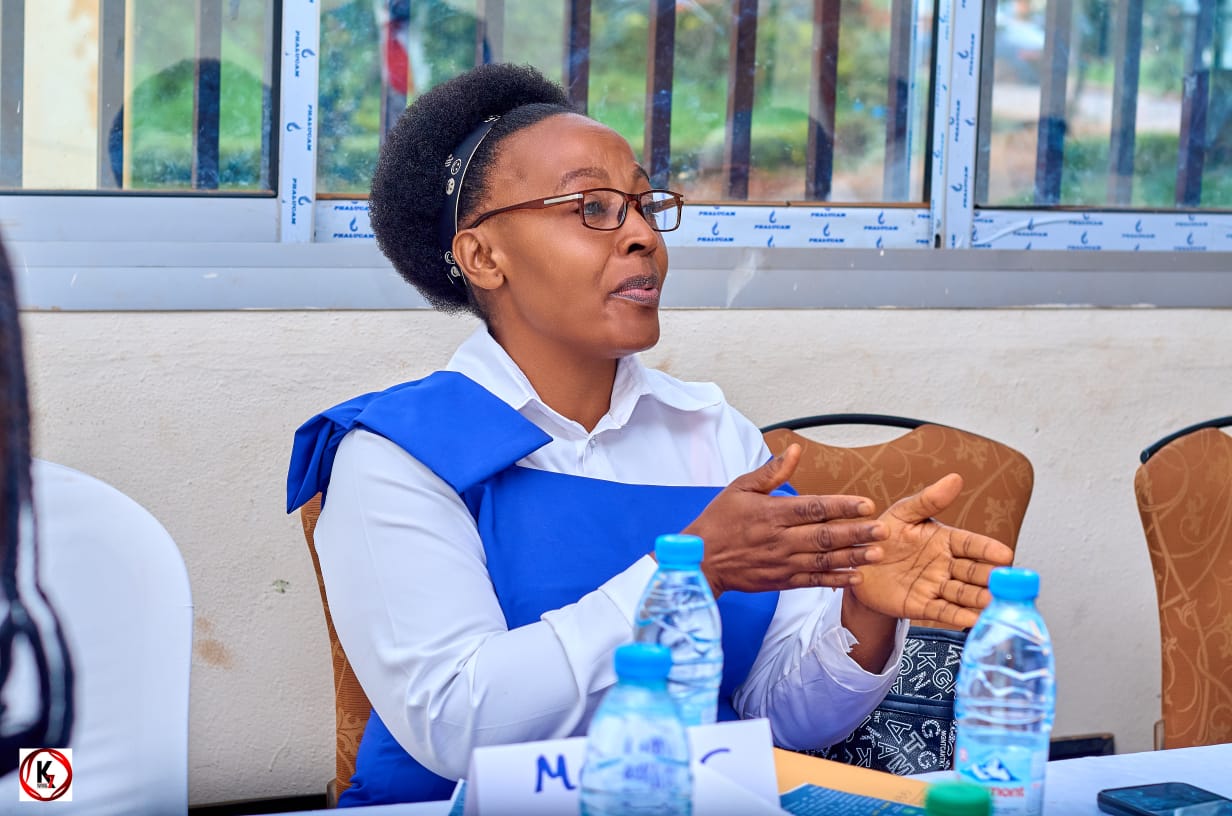
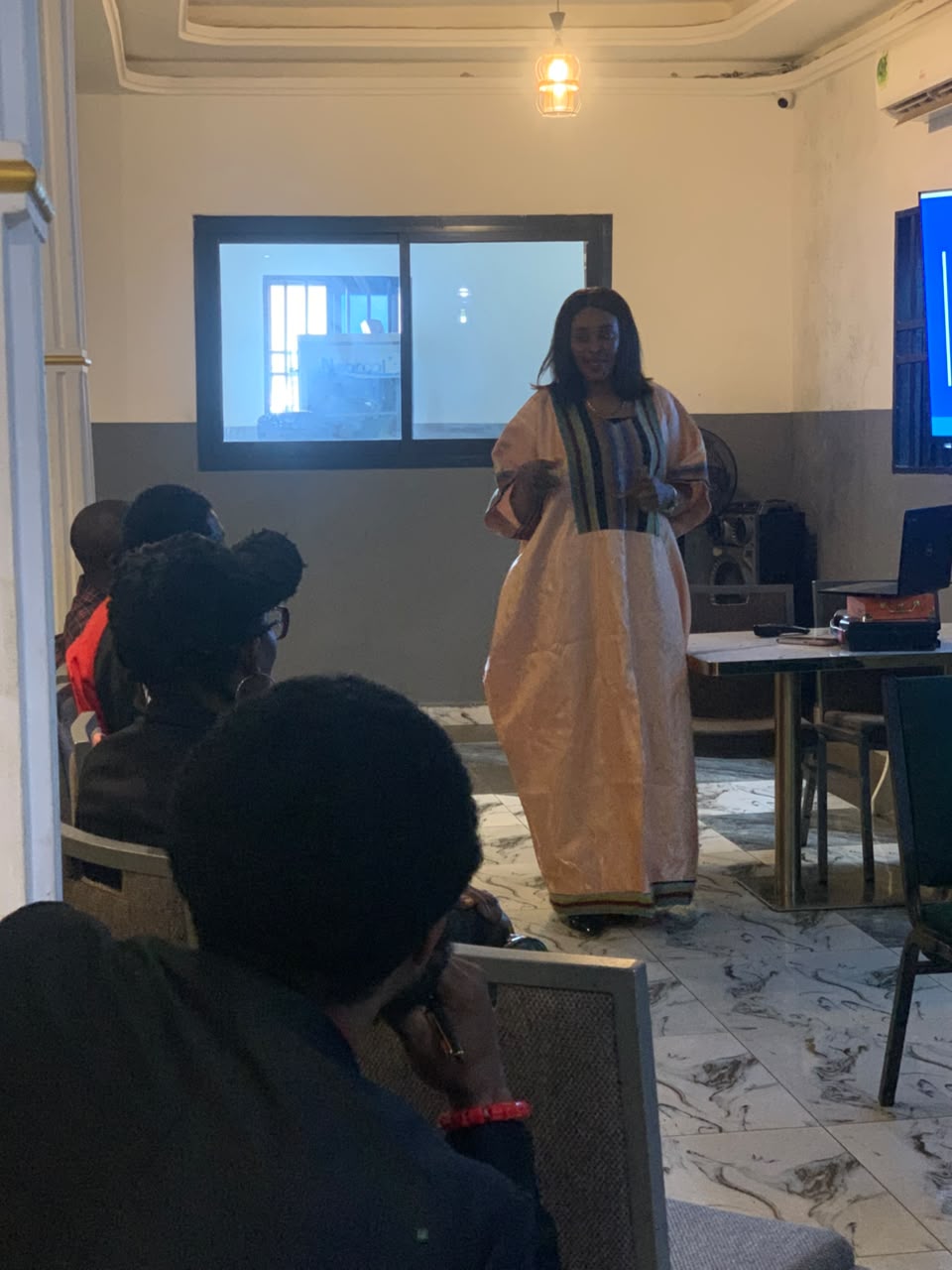
What we’re witnessing in these training sessions is truly inspiring. Teachers are coming together with enthusiasm and commitment, ready to equip the next generation of Cameroonians with entrepreneurial skills and mindset. They understand that they are not just teaching academic content; they are shaping future innovators, job creators, and leaders.
These educators recognize that entrepreneurship education will make a real difference in their pupils’ lives, preparing them for economic independence and meaningful contribution to society. Their dedication is the foundation upon which GEP’s success is built.
BUILDING A NETWORK OF TRAINED EDUCATORS
Each teacher who completes the GEP training becomes part of a growing network of educators committed to entrepreneurship education excellence. They join a community of practice where they can share experiences, exchange best practices, and support one another in bringing GEP to life in their classrooms.


The training program follows a cascading model:
Master Trainers (Expert level) → School Trainers (School-level implementation) → Classroom Coaches (Ongoing support)
This structure ensures that training quality is maintained and teachers receive continuous support throughout the school year.
EARLY RESULTS AND MOMENTUM
Schools that have begun implementing GEP are already seeing positive results:
– Increased pupil engagement and enthusiasm in class
– Teachers report pupils asking “when is the market fair?” and showing genuine excitement about business concepts
– Improved classroom participation and teamwork
– Early signs of pupils developing problem-solving and creative thinking skills
These early victories demonstrate that the GEP approach works and that pupils are genuinely excited about entrepreneurship education.
THE BENEFITS OF GEP
For Primary & secondary School Pupils (Ages 3-14):
✓ Entrepreneurship knowledge and skills
✓ Gifts and prizes during Grand Market Day
✓ Scholarship opportunities
✓ Project-based learning experiences
✓ Global exposure through international partnerships
For Teachers and School Leaders:
✓ Enterprise skills certification
✓ Capacity building and professional development
✓ Gifts and recognition during Grand Market Day
✓ Access to teacher resource materials
✓ Global exposure and networking
For Schools in Target Regions:
✓ Improved quality education for pupils
✓ Increased enrollment due to GEP reputation
✓ Enhanced output of pupils and school exposure
✓ Recognition during Market Fairs and Grand Market Day
For Parents and Guardians:
✓ Early identification of career interests for children
✓ Scholarship opportunities
✓ Business training resources
✓ Connection to economic opportunities
STRATEGIC COLLABORATORS STRENGTHENING GEP
GEP benefits from strong Collaboration with organizations committed to economic development:
MINMASEEA: Ministry of Small & Medium Enterprises, Social & Inclusive Economy
SMEPA: Small & Medium-sized Enterprises Promotion Agency
BDA: Business Development Association
AREOPA: Belgium Intellectual Capital Provider.
BDA UK; Business Develpment Assoiation UK
GEP IS CURRENT LOOKING FOR STATEGIC PARTNERS
These partners bring expertise, resources, and credibility to ensure GEP’s success and sustainability.
HOW SCHOOLS CAN JOIN GEP
STEP 1: APPLYSchools apply officially to join the Gateway Entrepreneurship Project.
STEP 2: SUBSCRIBE
Once approved, the school pays a subscription fee of 100,000 XAF.
STEP 3: TRAIN TEACHERS
Schools send a minimum of two teachers for GEP methodology training (50,000 XAF per teacher; 20% of standard training cost, with CABEP subsidizing 80%).
STEP 4: IMPLEMENT
Schools enroll at least 100 pupils (25+ per level) with GEP textbooks and deliver the full curriculum.
STEP 5: PARTICIPATE
Schools host two Mini Market Fairs each year and join the annual Grand Market Day celebration.
THE TRANSFORMATION HAS BEGUNThis is an exciting time for entrepreneurship education in Cameroon. The momentum is building. Every teacher we train, every pupil we reach, and every school we partner with brings us closer to our vision of a generation of young Cameroonians equipped with the knowledge, skills, and confidence to create their own opportunities.
Schools that have begun implementing GEP are already witnessing transformation:
– More engaged and excited pupils
– Teachers energized by the practical, real-world curriculum
– Classrooms buzzing with entrepreneurial activity
– Families excited about their children’s business ventures
YOUR SCHOOL COULD BE NEXT
If your school is ready to:
 Equip pupils with entrepreneurial skills and financial literacy Provide professional development for your teachers Participate in Market Fairs and the prestigious Grand Market Day Create economically empowered young people prepared for the future Be part of a national movement transforming education
GETTING STARTED
Is your school ready to transform entrepreneurship education? Interested schools should:
1. Contact CABEP to express interest
2. Learn about school requirements and investment
3. Identify 2+ teachers to participate in training
4. Enroll 100+ pupils (25+ per level) in GEP
5. Commit to hosting Mini Market Fairs and participating in Grand Market Day
CONTACT CABEP: Email: gep@cabep.org
 Web: www.cabep.org
 Phone: +237 688323322