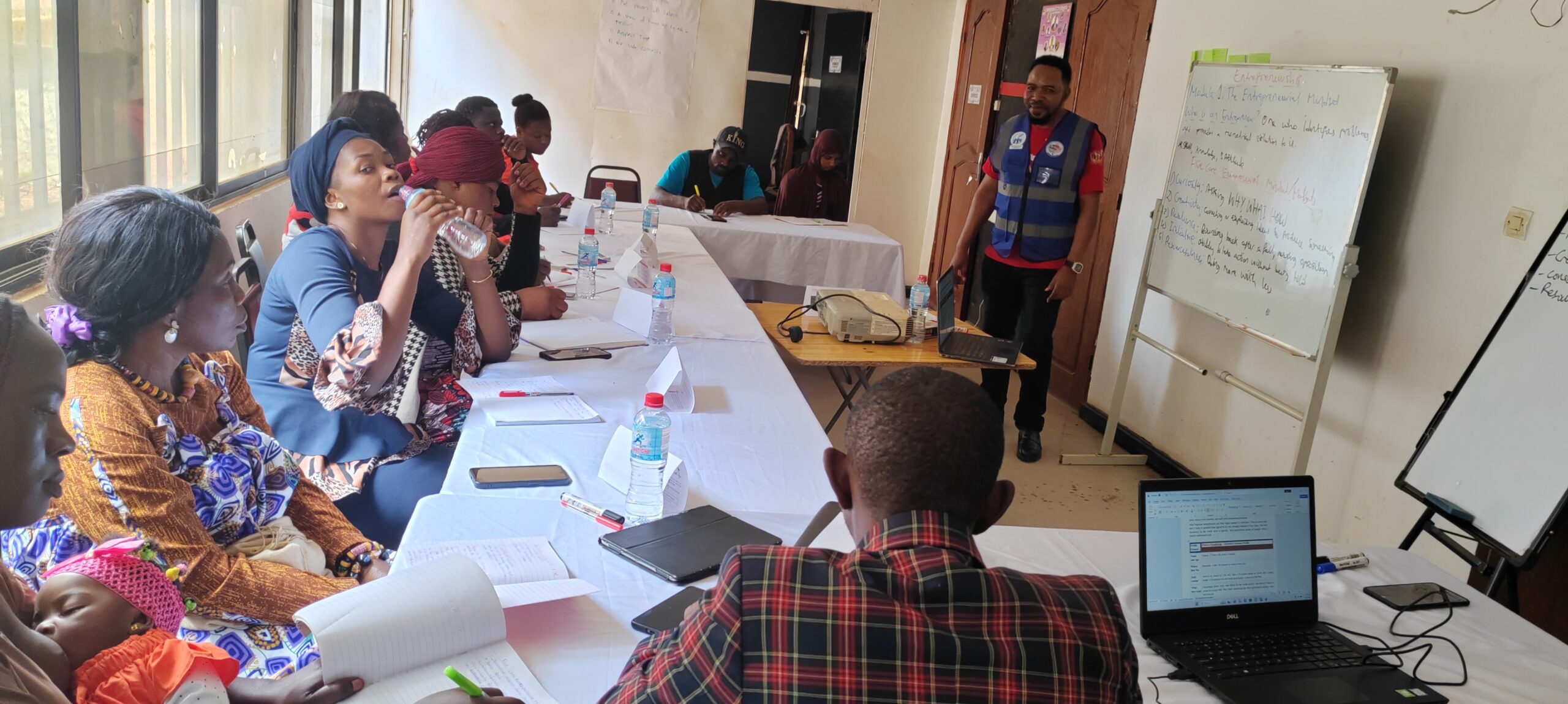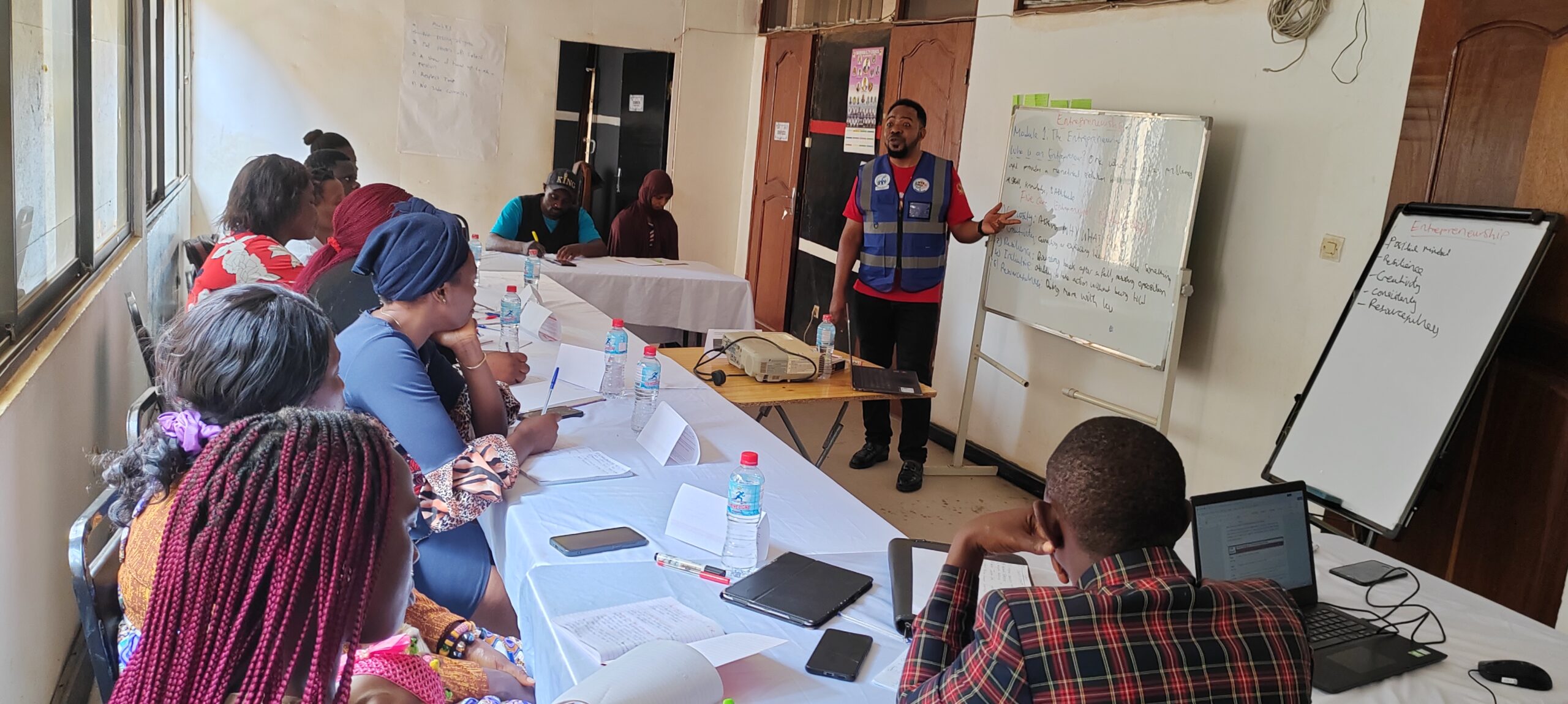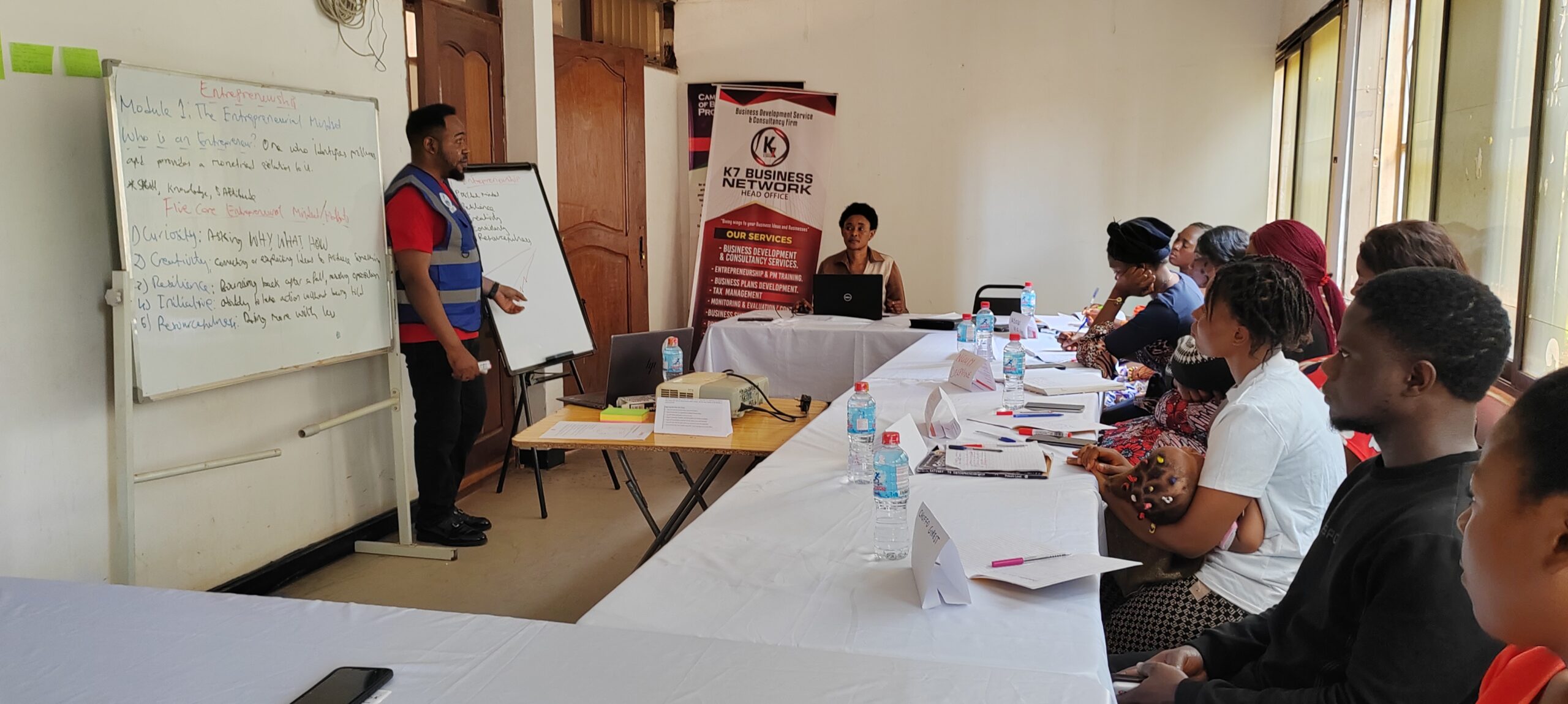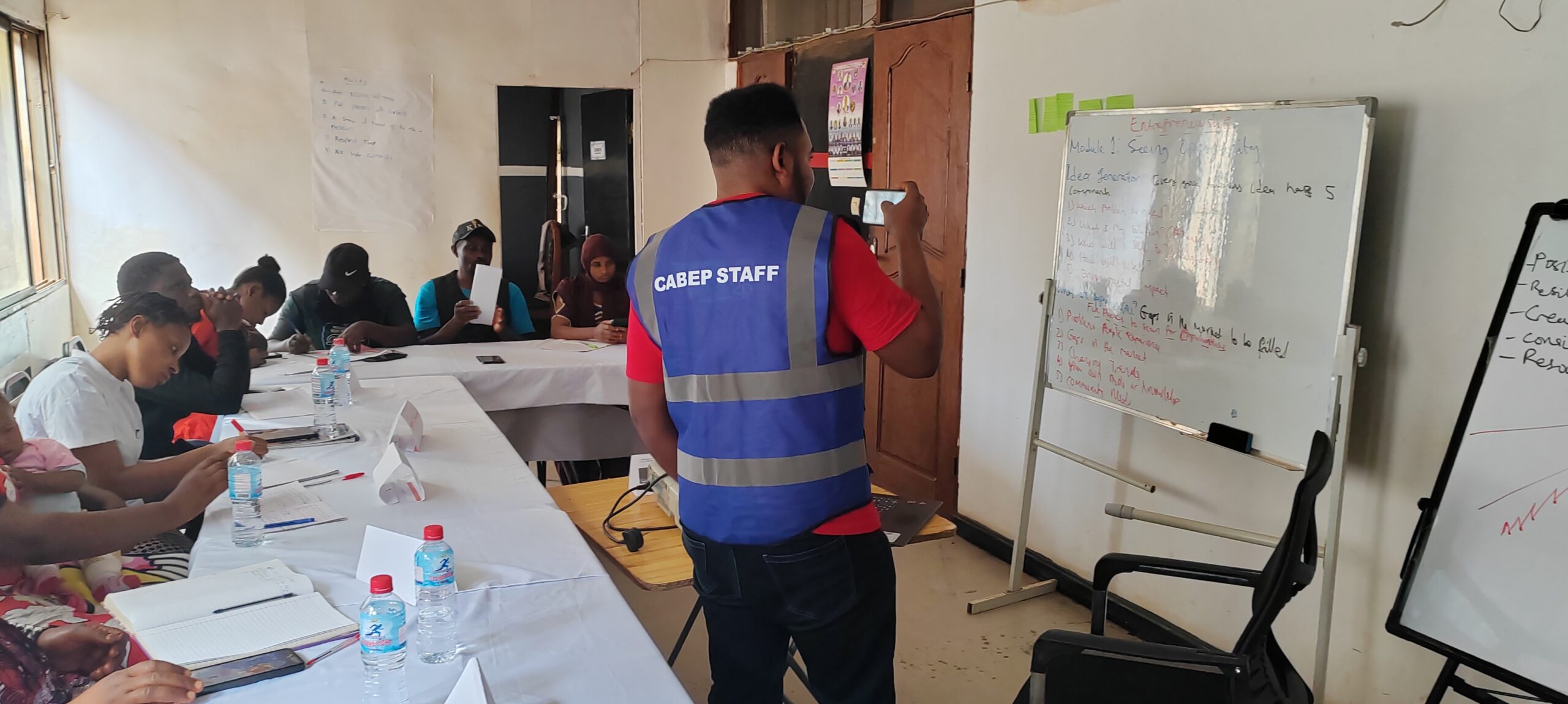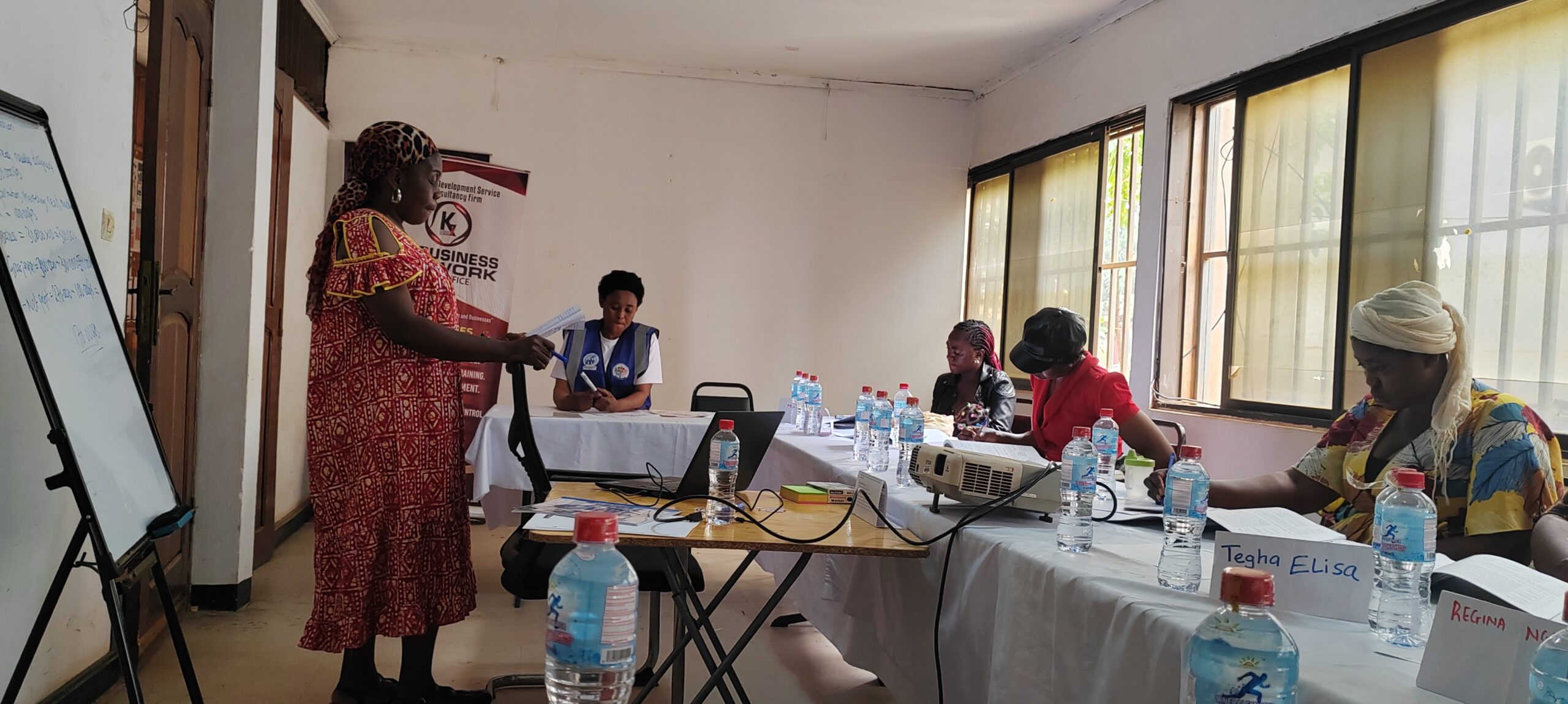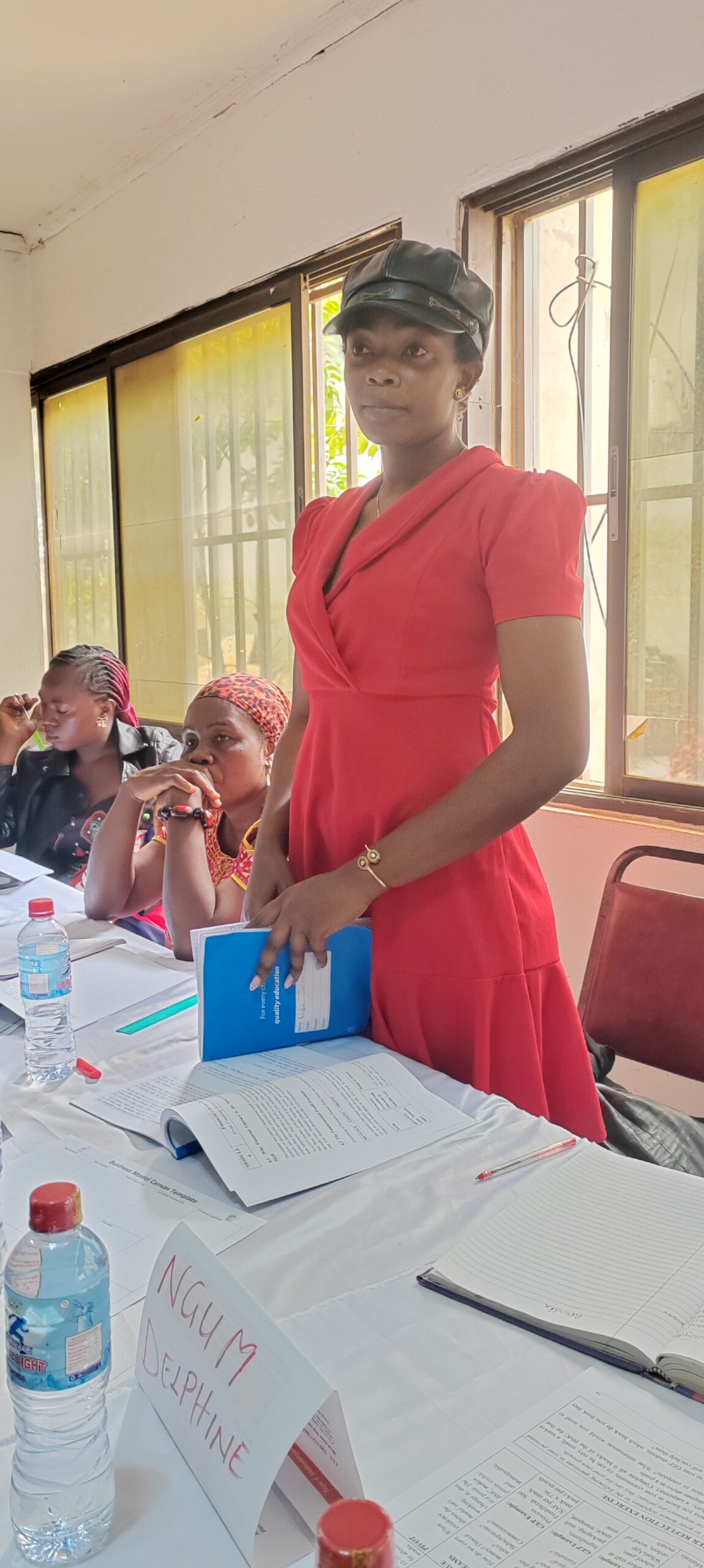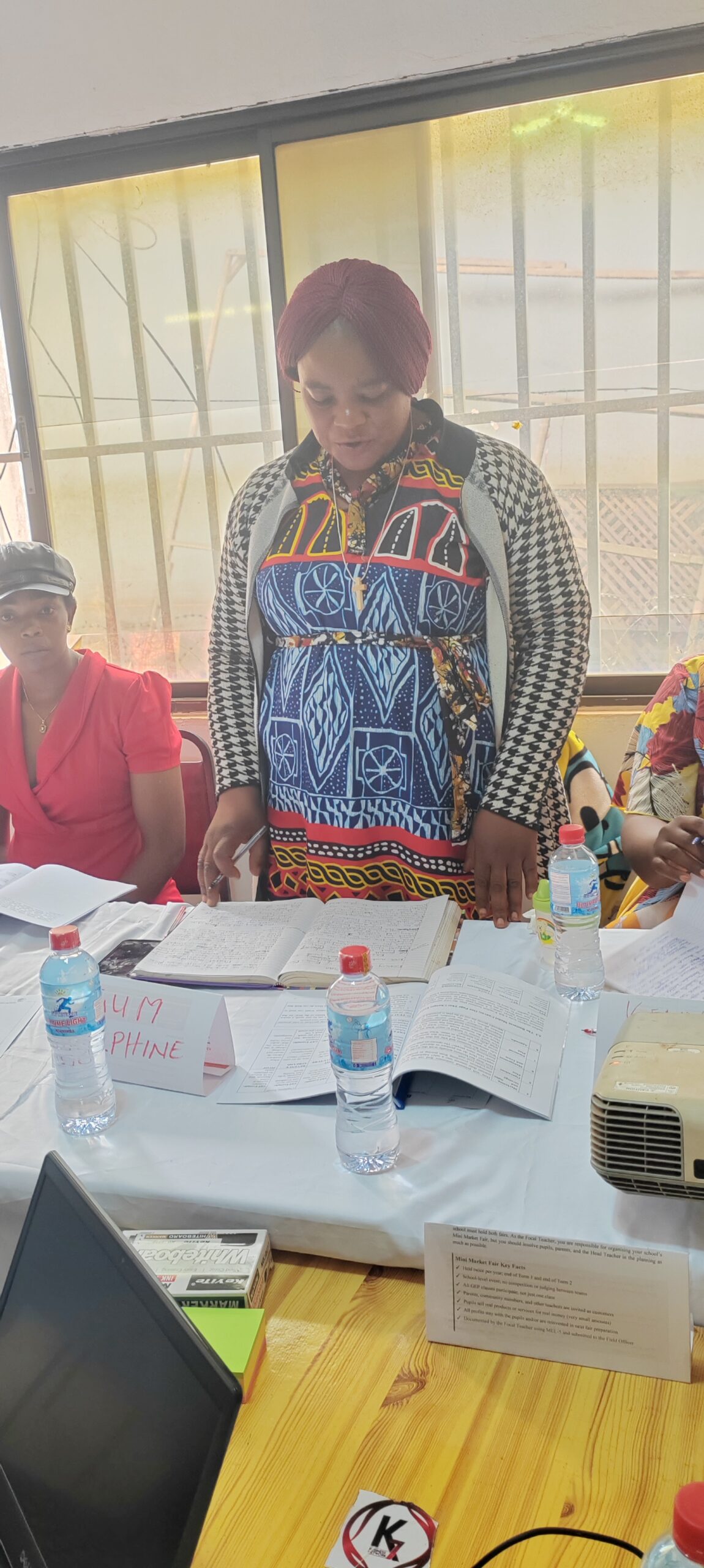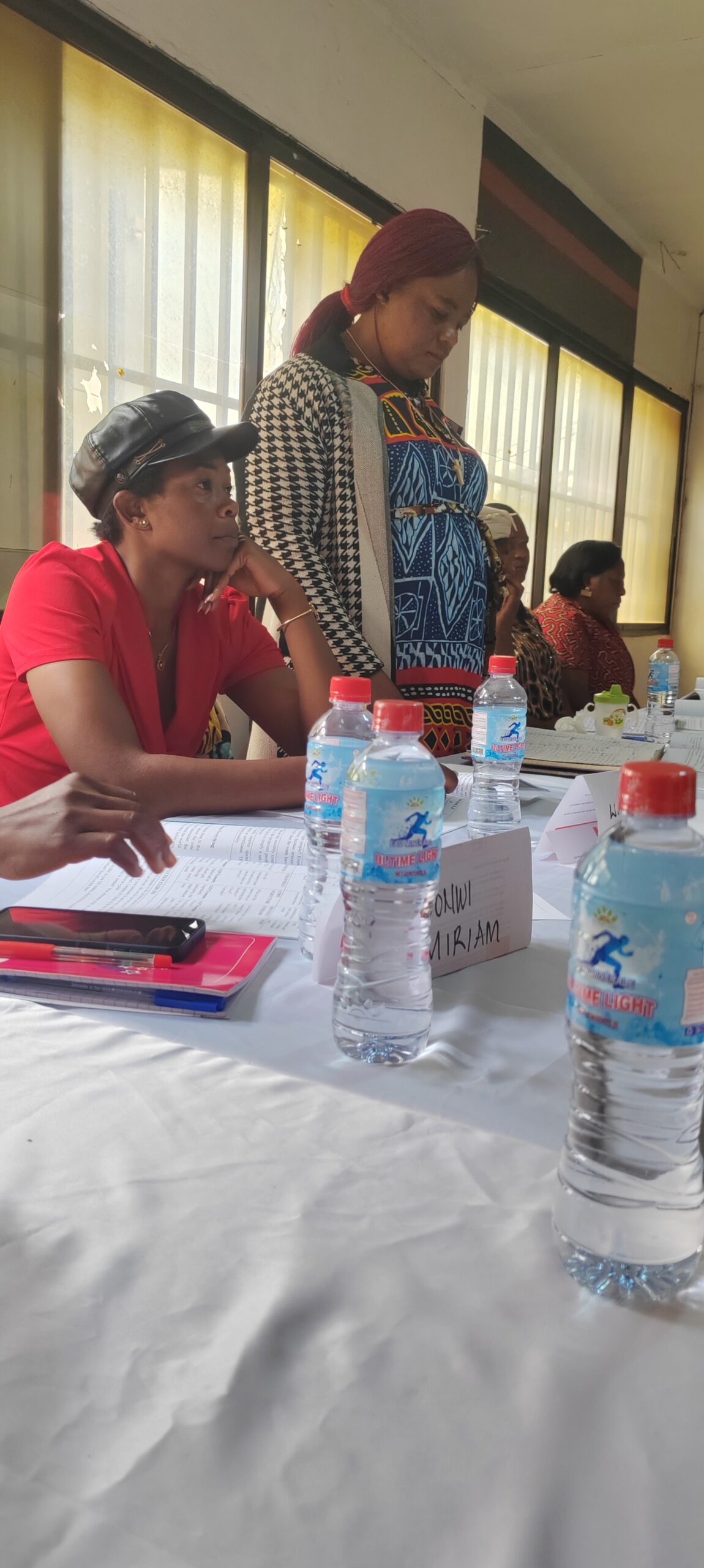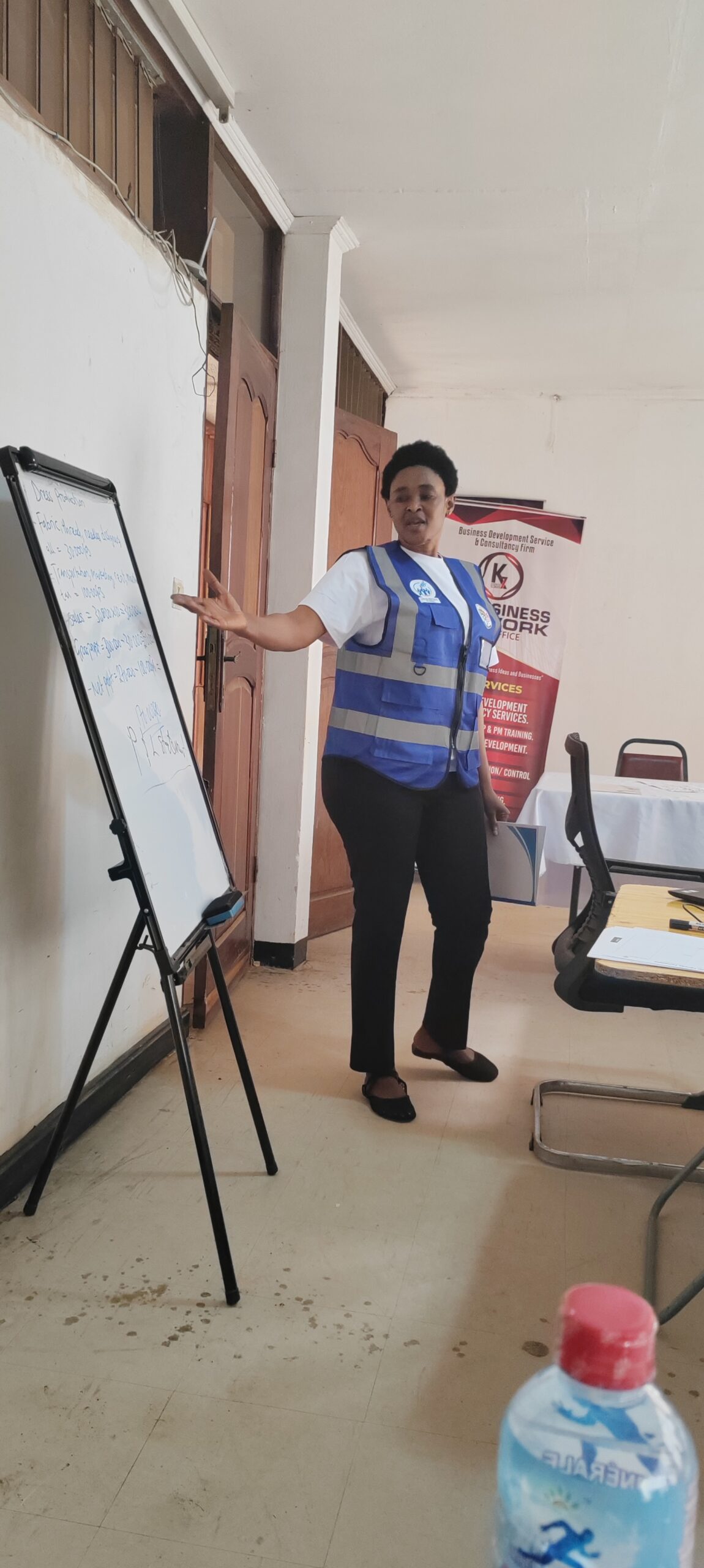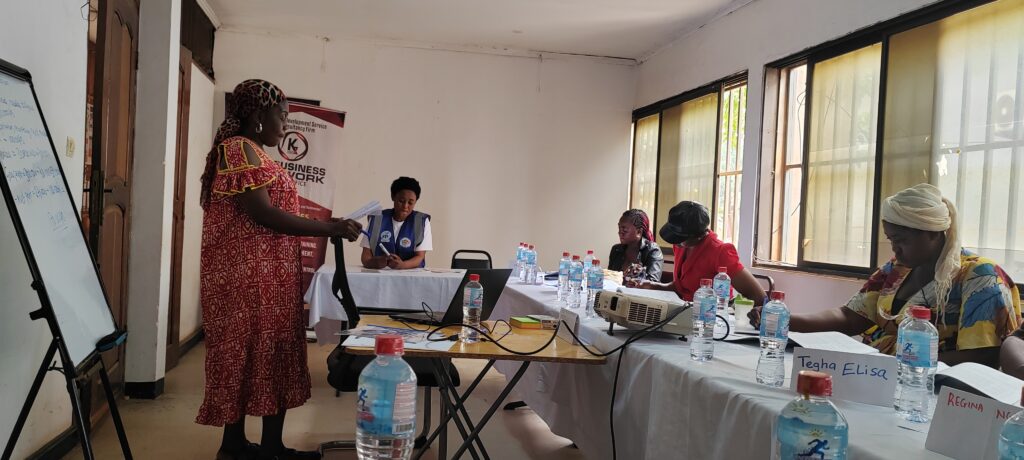
There is a particular kind of energy that fills a room when adults who have spent years teaching suddenly become students again. That was the atmosphere at the Gateway Entrepreneurship Project (GEP) Teacher Capacity Building program, as primary school teachers moved from curiosity into the hands-on work of actually building an entrepreneurial classroom.
A Shift from Curiosity to Confidence
Teachers arrived curious about what it would mean to bring entrepreneurship into a primary school classroom, but curiosity is not the same as capability. Over the course of the training, that gap started to close.
The centerpiece of the day was a hands-on facilitation session on “Entrepreneurship and the Business Plan,” where teachers stepped into the shoes of their own pupils. Rather than sitting through a lecture on business planning, they worked through the material the way a Future Founders-level pupil eventually will: building a plan, testing an idea, and thinking through what it takes to bring a product or service to life.
Alongside that came practical brainstorming on how entrepreneurial thinking can be woven into everyday lessons, not treated as a separate subject bolted onto an already full timetable. Teachers traded ideas on where a simple lesson on measurement could double as a lesson on pricing, or where a reading exercise could introduce the idea of identifying a customer’s need.
Teachers Building a Network, Not Just a Skill
One of the quieter but more important outcomes of the training was the sense of community forming among the participants. Teachers were not just receiving information individually; they were collaborating, comparing classroom realities, and building relationships that will likely outlast the training itself.
This matters because the challenges of introducing something new in a classroom rarely show up on the first day of implementation. They show up weeks later, when a lesson does not land the way it was planned, or when resources are thinner than expected. The frank conversations held during the session about overcoming classroom challenges with an entrepreneurial mindset were as valuable as the technical content, because they gave teachers permission to admit what is hard and to problem-solve it together.
The Real Discovery: They Already Had It in Them
Perhaps the most striking moment of the training was not a specific activity but a realization spreading across the room: many of these teachers already had the instincts needed to inspire young innovators. What they lacked was not talent or motivation, but a structured framework to channel it into. That is precisely the gap the Gateway Entrepreneurship Project is designed to fill.
This lines up with how GEP describes its own mission. The initiative rests on the belief that every child is a natural entrepreneur, and that the role of the program is simply to give that potential a gateway to unlock it. Extending that same logic to educators, the day’s sessions suggested something similar is true for teachers: the entrepreneurial mindset was already there, waiting for the right methodology to bring it into the classroom.
Why This Training Matters Beyond the Room
The Gateway Entrepreneurship Project is not a one-off workshop. It is a ten-year initiative run by the Cameroon Association of Business and Economy Promoters (CABEP), designed to embed entrepreneurial thinking, practical business skills, leadership, innovation, and financial literacy into basic education across Cameroon, spanning learners from nursery through upper primary and secondary school.
The teachers in this training are the first link in a much longer chain. GEP follows a cascading capacity-building model: master trainers train regional trainers, who in turn train teachers in individual schools, who then receive ongoing classroom coaching. What is happening in this training hall this week will eventually reach classrooms full of children, then market fairs, and ultimately the program’s Grand Market Day, an inter-school celebration of pupil-led business ideas.
Early implementation elsewhere offers a preview of what this can look like. Schools that have already rolled out GEP report pupils asking when the next market fair will happen, stronger classroom participation, and early signs of the kind of problem-solving and creative thinking the program is built to nurture. If this training is any indication, the teachers now moving through the program are being equipped to produce exactly that kind of shift in their own classrooms.
Momentum Building
By the end of the training, the impact was already visible in the room: teachers who arrived unsure of how entrepreneurship fits into a primary curriculum left with concrete tools, tested ideas, and a growing network of peers to lean on.
The transformation GEP promises is not confined to pupils. It begins with the educators standing in front of them, and this training made clear that this transformation is well underway.